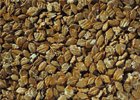
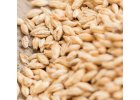
An auxiliary malt from only briefly germinated barley, rich in high-molecular-weight proteins. Dosed at up to 15% of the grist, in any beer that needs foam support. EBC 2–3.
The palest caramel malt of the range, made by gentle caramelisation. For Pilsner, Lagers, Kölsch, Export, wheat and low-alcohol beers: pale styles where the colour should stay...
A floor-malted Pilsner-type malt from a Czech floor malting house: traditional production, less dusty. For Czech Lagers, Pilsners and pale specials. EBC 3.9.
A Pilsner-type base malt, rich in enzymes and extract. The base for Pilsner, Lagers, Helles, Kölsch and Export: and the starting malt for most other styles. EBC 3–4.9.
A caramel malt from two-row summer barley, made by gentle caramelisation. For Helles, Märzen, wheat beers and reduced-alcohol beers: and all golden to amber styles. EBC 20–40.
An English base malt from the Maris Otter barley variety, grown mainly in Norfolk, where Crisp also malts it. The classic of English Ales: from Milds through Golden Ale and IPA...
The middle grade of the caramel Munich malts; a special caramelisation creates very even caramel inside the grain. For Märzen, wheat beers, Bock and dark styles. EBC 110–130.
A specialty malt developed for red beers. It delivers the red shade on its own, with no other malts needed. For red beers, Ales, Alt, Dunkel and wheat beers. EBC 28–32.
A paler version of the English Maris Otter malt, grown and malted in Norfolk. For Blonde, Pale Ale, pale European styles and fuller Lagers. EBC 2.8–3.9.
A specialty malt made by more intensive malting, which creates more dextrins and melanoidins. For dark and reddish beers, Alt, Märzen, Bock and wheat beers. EBC 61–80.
A Pilsner-type base malt in organic quality, certified under EU organic farming rules. The base for Pilsner, Lagers and other pale styles in organic quality. EBC 3–4.9.
BBD is...
An auxiliary malt: germination is deliberately limited, so longer sugar chains (dextrins) stay in the grain. For Golden Ale, Pilsner-type beers and Session IPA, wherever a...
A roasted malt: roasted for a shorter time and at a lower temperature than Black Malt, so it is less astringent. For Stout, Porter and stronger Milds; combined with Roasted...